Loading...
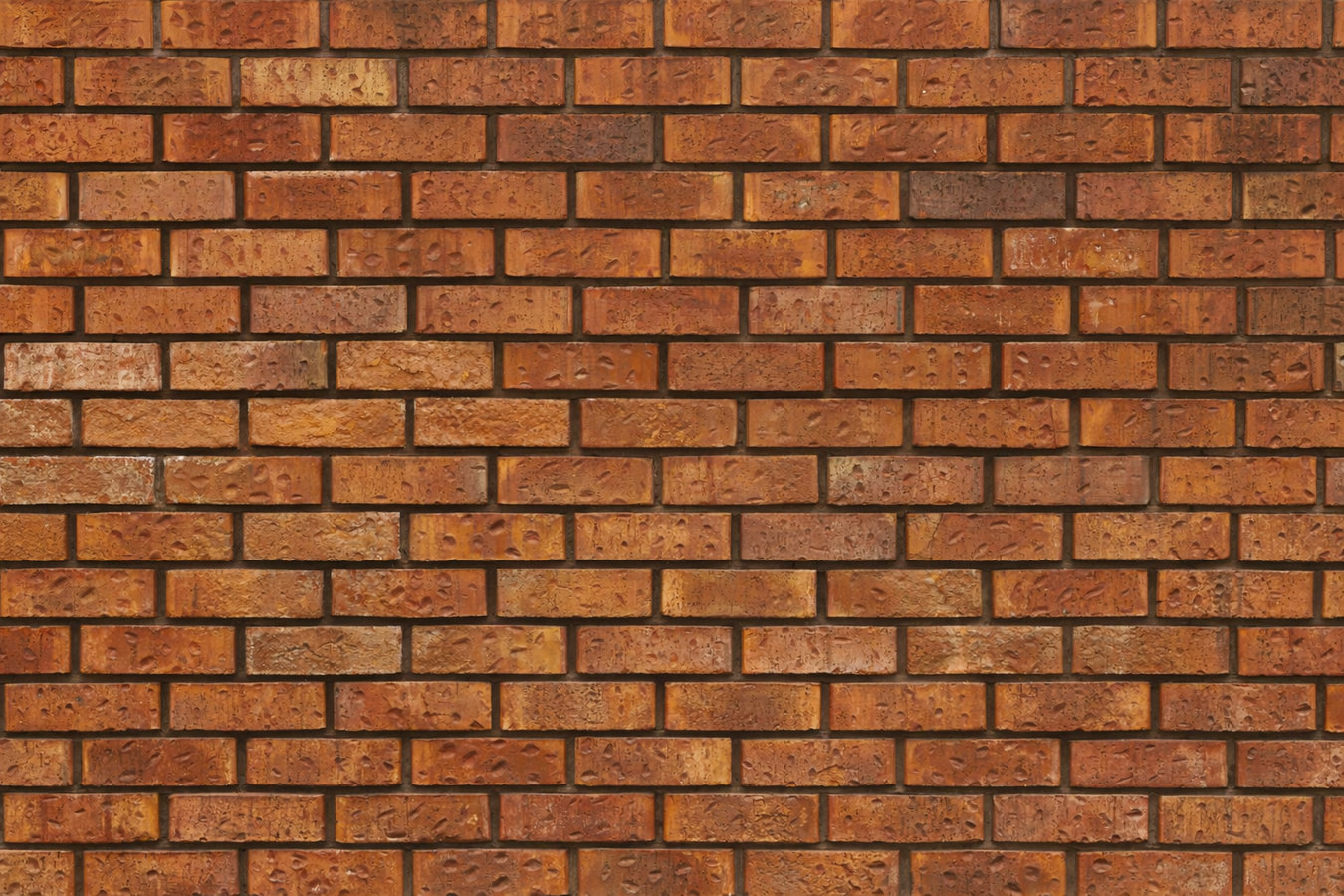
Crumbling mortar lets coastal moisture and salt air into your walls. We cut out the old material and repoint every joint to restore the seal your masonry needs.
Tuckpointing in Santa Barbara, CA involves cutting out deteriorated mortar from brick and stone joints and packing in fresh material to seal the wall, with most focused repairs completed in one to two days.
Mortar is softer than brick by design - it absorbs stress and weathers over time so the bricks themselves do not crack. After 20 to 30 years, that mortar begins to shrink, crack, or crumble. Once the joints open up, water finds its way in, and in Santa Barbara the combination of salt air from the ocean and seasonal rain means that damage accelerates quickly. The mortar is the sacrificial layer that protects everything behind it, and when it fails the whole wall is exposed.
For chimneys and retaining walls, mortar deterioration is especially common because those structures take the most weather exposure of anything on your property. If you have noticed soft or crumbling material between the bricks, white chalky staining on the surface, or gaps you can see from a few feet away, tuckpointing is the most direct fix. We also offer brick repair for situations where the bricks themselves have cracked or spalled beyond what repointing alone can address.
Run your finger along the joints between the bricks or stones on your chimney, garden wall, or exterior facade. If the mortar feels soft, sandy, or breaks away with light pressure, it has lost its bond. This is the clearest sign that tuckpointing is overdue - the mortar is no longer sealing the wall or holding the structure together the way it should.
Chalky white streaks or patches on your masonry - especially after rain - mean water is moving through the wall and carrying mineral salts to the surface. In Santa Barbara, the combination of marine moisture and aging mortar makes this a common sight on older homes. It almost always means the joints need attention before the water damage gets worse.
Stand back and look at your chimney, retaining wall, or brick exterior from a few feet away. Visible gaps, cracks wider than a hairline, or sections where mortar has fallen out entirely are clear warning signs. In Santa Barbara's seismically active environment, even small gaps can widen quickly after ground movement - waiting tends to make them more expensive to fix.
Water marks, peeling paint, or a damp smell on interior walls that back up to a brick chimney or exterior masonry wall mean water is getting in through failed mortar joints. This is especially common in older Spanish Colonial homes where the chimney passes through multiple floors and the mortar has had decades to deteriorate. Catching it early is almost always far less expensive than repairing what comes next.
Every tuckpointing project starts with a close look at the existing mortar - its hardness, color, profile, and how much of it needs to come out. For chimneys, we work from the top down, clearing deteriorated material to a depth of about three-quarters of an inch and then packing in fresh mortar that matches the original color and texture as closely as possible. For brick facades and exterior walls, we assess the full surface before starting so the scope and cost are clear before work begins. When color matching is critical - particularly on historic homes in Santa Barbara's Spanish Colonial neighborhoods - we do a test patch first so you can approve the result before we commit to the full job.
For retaining walls, garden walls, and other freestanding masonry structures, the approach is similar but we also look at whether any structural movement has occurred that simple repointing would not address. If a wall has shifted or bowed, tuckpointing alone is not the right answer and we will tell you that before taking your money. If you need complementary work on precision joints, our brick pointing service covers detailed finishing for decorative and structural brickwork where a clean, consistent result is the priority.
Best for chimneys showing soft mortar, visible gaps, or white staining - the structure that takes the most weather exposure on most homes.
Suited for brick facades and exterior masonry walls where failing joints are letting in moisture or compromising the wall's structural bond.
For freestanding masonry structures where deteriorated mortar has reduced the wall's ability to handle lateral soil pressure or rain exposure.
For older Santa Barbara homes where the repair needs to blend into the original masonry - including properties in historic review districts.
Santa Barbara sits directly on the Pacific coast, and the salt-laden marine layer that rolls in most mornings is one of the most aggressive forces acting on mortar in the region. Salt crystals work their way into tiny cracks, expand as they dry, and widen those openings over time - a process that happens faster here than it would inland. For homeowners near the water, this means mortar deteriorates on a shorter cycle, and the quality of the repair material matters more than it would in a drier climate. We also serve homeowners in Carpinteria where the same coastal conditions apply and older masonry is common in the residential neighborhoods.
A large share of Santa Barbara's housing stock was built during the Spanish Colonial Revival period that followed the 1925 earthquake. Many of these homes feature decorative brick chimneys and ornate stonework that require a mason who understands how to match historic mortar profiles and colors. The city's Architectural Board of Review and Historic Landmarks Commission oversee exterior changes in designated districts, and a tuckpointing repair on a landmarked property may require review before work begins. Homeowners in Montecito face similar considerations with estate-scale masonry that needs careful material matching and experienced hands. We know this process and handle the navigation for you. Learn more about responsible repointing standards from the Brick Industry Association.
You describe what you are seeing - soft joints, white staining, visible gaps - and we ask a few quick questions to understand the scope. We aim to respond within one business day and schedule a walk-through at a time that works for you.
We walk the area with you, test the mortar, and check for any signs of deeper structural issues. You receive a written estimate that breaks down the scope and cost before anything is agreed to - no pressure, no vague totals.
The crew cuts out deteriorated mortar to the correct depth and packs in fresh material matched to your existing wall. For historic properties, we confirm any review requirements before the first day of work so there are no delays mid-project.
We clean mortar smears from the brick faces and walk the finished work with you before leaving. We explain the curing window - fresh mortar needs 24 to 48 hours before it should get wet - and answer any questions about what to watch for afterward.
We respond within one business day and provide written estimates with no obligation.
(805) 869-0735We assess the hardness, color, and profile of your existing mortar before choosing a repair mix. Using a mortar that is too hard for your bricks - a common shortcut - can cause the bricks themselves to crack over time. Matching the mix correctly is what makes the repair last.
We have worked on properties in Santa Barbara's historic review areas and understand what the city's Architectural Board of Review expects. If your project requires a review, we handle the process and keep you informed at every step - no surprises that delay your project or put you on the wrong side of the city. Learn more from the Mason Contractors Association of America.
We schedule work to start mid-morning so morning marine moisture does not interfere with mortar curing. We avoid the driest, gustiest Santa Ana days when mortar can dry too fast and crack. These scheduling details matter more in Santa Barbara than most other California cities.
If the damage has gone beyond what tuckpointing can fix, we say so before any work starts and explain what additional steps would actually help. A written estimate with a clear breakdown of scope protects you from vague quotes that change after the job begins.
Tuckpointing done right holds for 25 to 30 years. The difference between a repair that lasts and one that fails in five years comes down to material selection, mortar matching, and taking the time to fully remove deteriorated joints before packing in fresh material. That is the standard we hold ourselves to on every job.
When mortar joints are not the only problem - cracked or spalling bricks need targeted repair to restore the wall's full strength.
Learn MorePrecision pointing for decorative and structural brick joints where a clean, consistent finish matters as much as the seal.
Learn MoreEvery season without repair lets more coastal moisture into your walls. Get a free estimate before it becomes a bigger problem.