Loading...
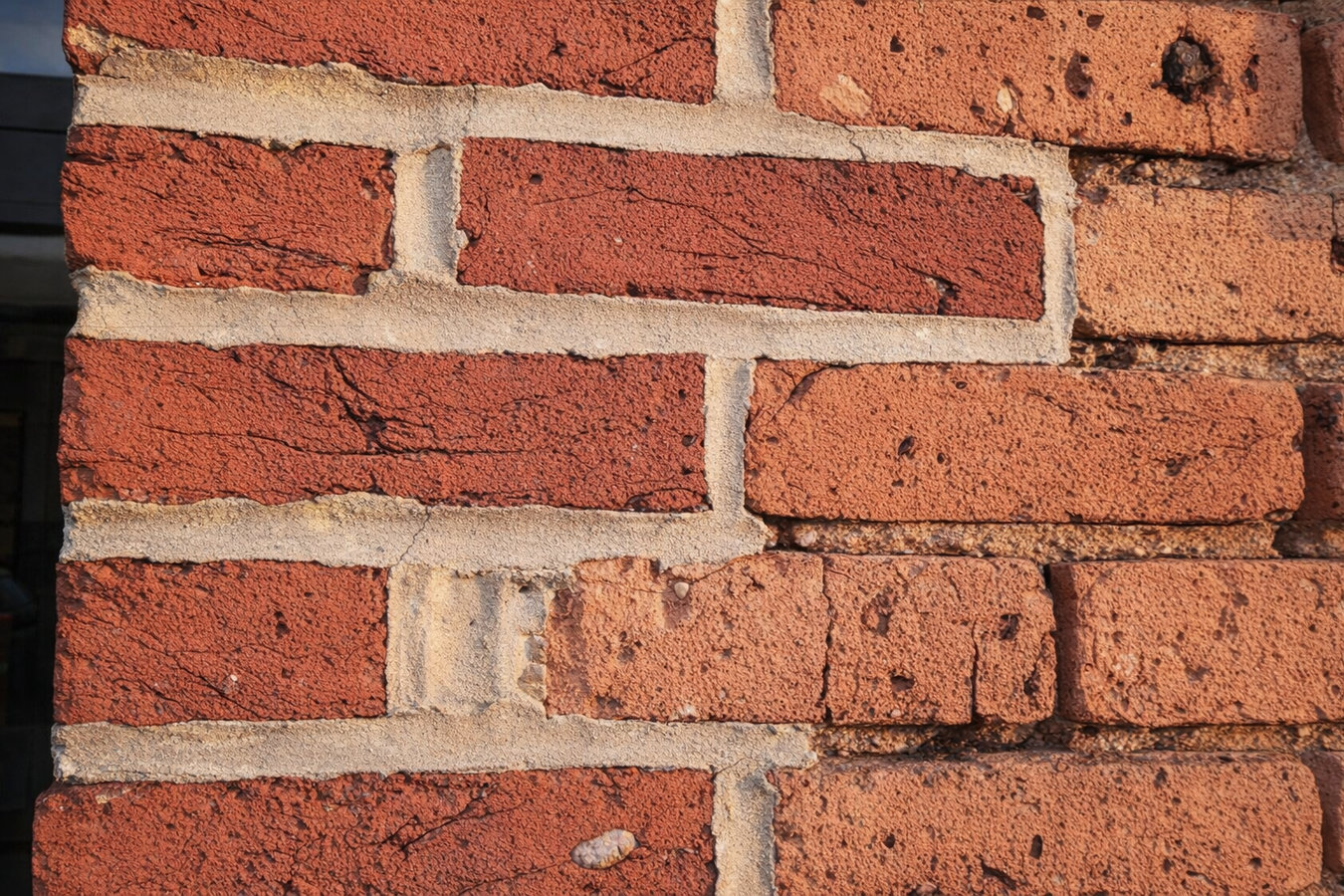
Crumbling mortar, spalling stone, and coastal salt damage shorten the life of your masonry. We restore brick, stone, and stucco to sound condition before small problems become costly ones.
Masonry restoration in Santa Barbara, CA covers repairing, cleaning, and stabilizing brick, stone, or concrete block surfaces that have been damaged by age, weather, or coastal salt air, with most residential projects completed in one to five days.
Restoration is not just patching what is visible. It starts with assessing the full condition of the masonry - understanding what type of material you have, how it was originally built, and what specific forces have been working against it. In Santa Barbara, that almost always includes salt air from the Pacific, years of seasonal rain soaking into porous surfaces, and in many cases the added stress of seismic activity over decades. The repair approach has to account for all of that, or the work will not hold.
The most common part of any restoration job is repointing - removing degraded mortar from the joints between bricks or stones and packing in fresh material that matches the original. When the masonry itself has deteriorated beyond what repointing alone can fix, we also handle surface patching, spall repair, efflorescence treatment, and protective sealing. For situations where individual bricks have cracked or broken, our fireplace installation and structural masonry work connects to restoration when a complete rebuild is a better path than repairs alone.
Run your finger along the lines between bricks or stones on your chimney, retaining wall, or exterior. If the mortar feels soft, powders, or has gaps where it has fallen out, it is no longer sealing the wall properly. In Santa Barbara, salt air accelerates this process - what looks like minor wear can be hiding deeper deterioration that a trained eye can spot quickly.
That chalky white residue on brick or stone - called efflorescence - means water is moving through the masonry and carrying dissolved salts to the surface. It is especially common on Santa Barbara homes because of the combination of coastal salt air and seasonal rain. It is not just cosmetic - it signals that moisture is actively getting into the wall.
Small chips, flakes, or chunks of brick or stone separating from the surface is called spalling. In Santa Barbara it is often driven by salt crystal growth just below the surface rather than freeze-thaw cycles. Spalling worsens over time - a few chips this season can become a significant surface failure by next winter if untreated.
Homes built in Santa Barbara in the decades following the 1925 earthquake are now between 70 and 100 years old. The original stucco, stone, and brick on these properties is reaching the end of its natural lifespan without maintenance. Hairline cracks on a home of this age are worth having assessed - they are often the first sign that a manageable repair is becoming an expensive one.
Every masonry restoration project starts with cleaning the surface and assessing its full condition - because damage that is hidden under dirt, moss, or old paint coatings cannot be properly repaired without being seen first. We use low-pressure cleaning methods on older and softer materials to avoid causing new damage during prep, which is a common mistake contractors make when they are not accustomed to working with historic Santa Barbara properties. After cleaning, we confirm the repair scope in writing before any material touches your masonry.
For repointing work, we remove deteriorated mortar to an adequate depth and pack in fresh material chosen specifically to match the softness, color, and texture of the original. On post-1925 Santa Barbara properties, that often means working with lime-based mortars rather than modern portland cement blends - using too-hard a mortar on older brick causes the surrounding masonry to crack and spall. When the work involves surfaces visible from the street, we do a test patch so the color and finish are approved before we proceed. Our related stone masonry service handles projects where natural stone surfaces need structural work alongside cosmetic restoration.
Suited for chimneys, retaining walls, facades, and any brick or stone surface where deteriorated mortar joints need to be replaced before water intrusion worsens.
For brick or stone surfaces where pieces of the material itself have broken away - restoring the surface profile and sealing the exposed area against further damage.
For surfaces showing white salt deposits from water movement - removing existing staining, addressing the moisture path, and applying a breathable sealer to slow recurrence.
For Spanish Colonial, Mission Revival, and Craftsman-era homes in Santa Barbara where material matching and period-appropriate methods are required - including work in historic review districts.
Santa Barbara is not a typical masonry market. The city sits on the Pacific coast, which means salt-laden marine air is a constant force on every exterior surface. Salt crystals settle into pores in brick, stone, and mortar, and as temperatures shift and moisture cycles in and out, those deposits expand and contract - pushing the material apart from the inside. Homeowners here often see mortar deterioration on a shorter cycle than they expect, and the repair materials need to be chosen with coastal exposure in mind. Standard portland cement mortar that works fine in an inland city can be the wrong choice for a Santa Barbara home. Homeowners in Montecito and other coastal communities face the same salt-air conditions, and the same material considerations apply.
The city also has a large stock of Spanish Colonial Revival, Mission Revival, and Craftsman-era homes - many built in the decades following the 1925 earthquake that destroyed much of downtown and prompted a massive rebuilding effort. Those properties are now between 70 and 100 years old, and the original masonry on many of them is reaching the end of its lifespan without intervention. Working on these homes requires a different approach than new construction - softer mortars, more careful cleaning methods, and an understanding of what the Historic Landmarks Commission expects if the property falls under historic review. Neighborhoods like the Riviera and the Upper East have a high concentration of these older properties, and working in those areas requires real familiarity with what the structures are made of. We also serve homeowners in Carpinteria, where older coastal homes face many of the same material and salt-air challenges as Santa Barbara properties.
We ask a few basic questions - what type of surface, roughly how large the area, and what you have noticed. We reply within one business day and schedule a free on-site visit, because masonry condition is genuinely hard to assess without seeing it in person.
We walk the area with you, probe damaged spots to understand how far the problem extends, and check whether your property has any historic district status that affects materials or methods. No surprises on scope or cost after this visit.
You receive a written estimate describing exactly what will be repaired and the materials to be used. For color-critical work on older Santa Barbara homes, we do a test patch before committing to the full job - so you approve the result first.
Most restoration work happens on the exterior, so you can stay in the home throughout. After the repairs are complete, fresh mortar needs several days to cure before reaching full strength. We do a final walkthrough with you before leaving - if anything does not look right, we address it on the spot.
Free on-site estimates. Written quote before any work begins. No pressure, no commitment.
(805) 869-0735A significant portion of Santa Barbara homes fall under the oversight of the Historic Landmarks Commission or neighborhood HOA rules. We know what materials and finishes those guidelines require - and we handle any required review on your behalf so you are not caught off guard mid-project. The Santa Barbara Historic Landmarks Commission sets specific standards for exterior repairs on designated properties, and familiarity with that process matters.
Not every contractor stops to ask whether the repair mortar is appropriate for a coastal exposure. We select materials based on what the original masonry is made of, how hard or soft it is, and how much salt-air exposure the surface gets. Using the right mix is the difference between a repair that lasts and one that starts failing within a few years.
We have been working on masonry projects throughout Santa Barbara and surrounding communities since 2018. That local track record means we understand the specific conditions, materials, and regulatory environment that make this market different from inland California - and our neighbors can verify that from completed work in their own neighborhoods.
We do not start work until you have approved a written estimate that describes exactly what will be done and what materials will be used. No verbal agreements, no surprise add-ons once the job is underway. If the scope changes, you hear about it before any additional work is touched.
These are not marketing claims - they are the specific practices that keep Santa Barbara homeowners from having to call a second contractor to fix what the first one missed. Every job we take gets the same level of care whether it is a single chimney repoint or a full exterior restoration on a century-old hillside home.
A custom masonry fireplace adds permanent warmth and character to a Santa Barbara home.
Learn MoreNatural stone walls, columns, and accent features built to complement Santa Barbara's architectural style.
Learn MoreOur calendar fills up before November - schedule your free estimate now and have the work done while conditions are right for curing.