Loading...
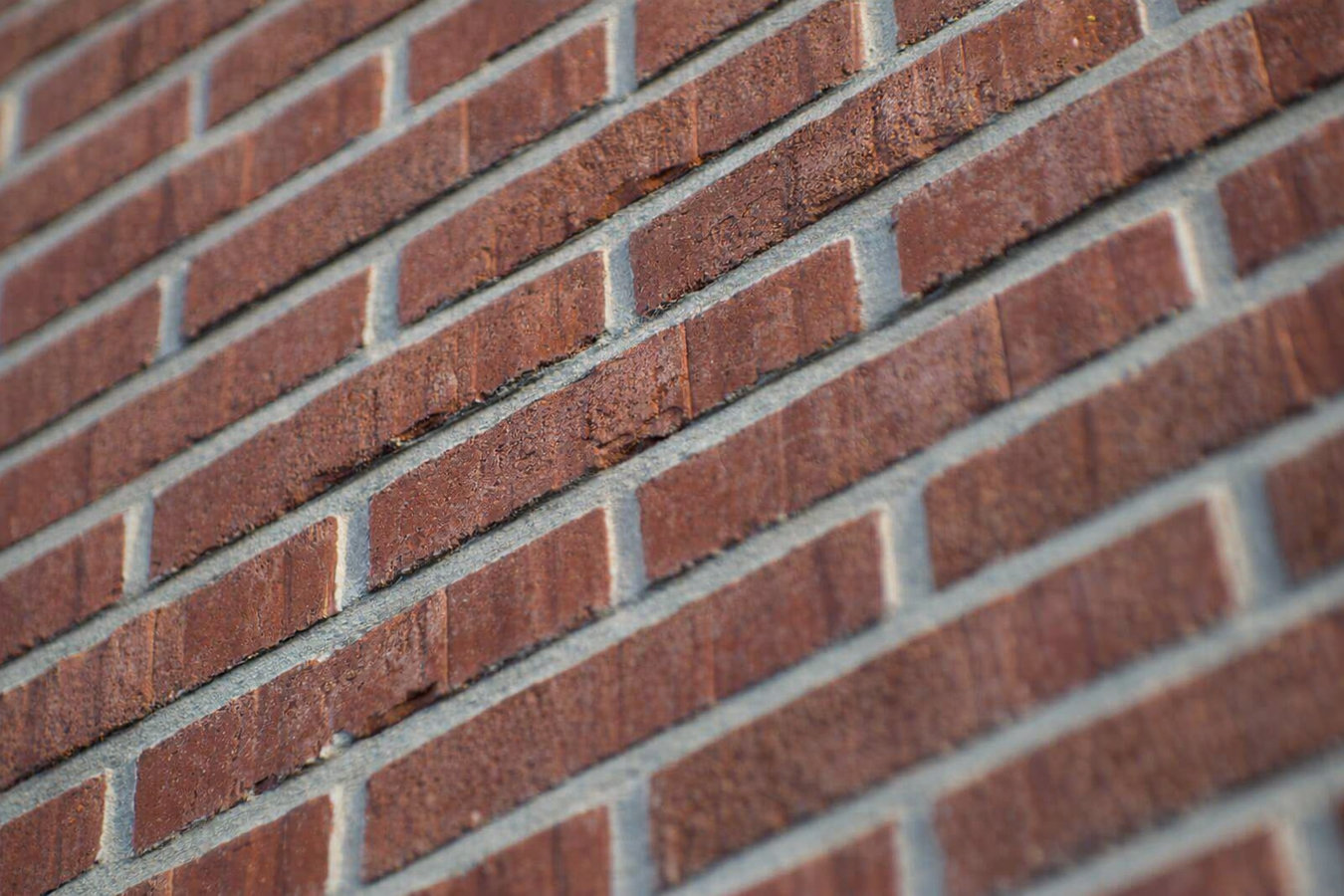
Mortar joint restoration for Santa Barbara homes, chimneys, and garden walls - matched to your original materials, color-approved before the full job starts, and built to hold up against coastal salt air.
Brick pointing in Santa Barbara means carefully cutting out crumbling or failed mortar from between bricks or stones and packing in fresh material that matches the original mix and color, with most single-story residential jobs taking one to two days and larger walls or chimneys taking up to a week depending on how much joint area needs attention.
The mortar between your bricks is not decorative - it is the seal that keeps water out and holds the wall together. When it starts to fail, water gets in behind the bricks. In Santa Barbara, where coastal salt air accelerates mortar deterioration and winter rains arrive with intensity, a small problem in the joints can become a much larger one surprisingly fast. Homeowners in this city - especially those in the older neighborhoods on the Eastside, the Riviera, and Mission Canyon - often find that mortar from the original construction era has simply reached the end of its lifespan. If you are also dealing with visible damage to the bricks themselves rather than just the joints, the right conversation to have is about foundation repair rather than pointing alone, since cracked masonry units sometimes signal a different underlying problem.
Catching mortar failure early is almost always the cheaper path. What a contractor handles in a day or two of pointing work can become weeks of wall rebuilding if the water intrusion goes untreated for several years. A quick finger test along the joints - if the mortar crumbles easily, it is time to make the call.
Run your finger along the mortar joints on your wall. If the mortar crumbles away easily, feels soft, or you can see gaps where it used to be, pointing is overdue. Healthy mortar should feel hard and solid - like the brick itself. Catching this early costs a fraction of what a full wall repair runs if water is allowed to work in unchecked.
This white residue - sometimes called efflorescence - is a sign that water is moving through the wall and carrying mineral salts to the surface. In Santa Barbara's coastal air, this can happen faster than in drier inland climates. It does not always mean the wall is in crisis, but it does mean moisture is getting in somewhere, and failing mortar joints are the most likely entry point.
Many of the older brick and masonry homes in Santa Barbara's Eastside, Riviera, and Mission Canyon neighborhoods are approaching or past the 70-year mark. Mortar from that era has a natural lifespan, and if it has never been repointed, it is almost certainly due. You do not need to see obvious damage - age alone is a reasonable trigger for an inspection.
Santa Barbara experiences minor seismic activity regularly. If you noticed new diagonal cracks in a brick wall, chimney, or garden wall after a shaking event - even a small one - that is worth a professional look. Seismic movement can open mortar joints in ways that are not always visible from a distance, and small cracks become water entry points quickly in a coastal climate.
Brick pointing is the same fundamental process regardless of where the damaged joints appear - cut out the old mortar, pack in fresh material, tool it to match the original profile, clean the brick face. What changes from job to job is the mortar mix, the color, and the scope. For garden walls and outdoor features, the process is straightforward. For older Santa Barbara homes built with lime-based mortar, getting the mix right is critical - too hard a mix and the bricks crack under the normal movement the wall experiences from settling and minor seismic activity. For chimneys, access via scaffolding or lift equipment adds cost but is not optional - incomplete pointing at the top of a chimney means water keeps getting in. We handle all of these variations and work with homeowners across Santa Barbara who are addressing pointing for the first time as well as those doing follow-up maintenance on work done decades ago. For homeowners interested in a more decorative finish on the joints, we also offer tuckpointing, which uses two contrasting mortar colors to create the appearance of very fine, precise joints on brick or stone surfaces.
Color matching is a step we take seriously on every job. The new mortar should blend into the existing wall so the repaired sections do not stand out visually. In Santa Barbara's design-conscious neighborhoods - where HOA oversight and the city's Architectural Board of Review can impose standards on the appearance of exterior work - a patch that is obviously a different color or texture than the original is not just an aesthetic issue. We test a sample patch first and get your sign-off before moving forward with the full job. That small extra step prevents larger headaches later.
Mortar joint restoration on garden walls, planter borders, entry walls, and outdoor masonry features - suits homeowners who want to extend the life of existing brick and stone work before water damage makes replacement necessary.
Targeted mortar restoration on chimney crowns, flashing joints, and exposed brick sections - the most exposed masonry on a home and often the first to need attention, especially in Santa Barbara's coastal air.
Lime-based mortar replacement for older Santa Barbara homes built before 1950 - requires a softer mix than modern construction to avoid cracking the original bricks, and color matching to satisfy HOA or design review standards.
Repointing of mortar joints on brick or stone retaining walls and lower foundation courses, where water infiltration from winter rains can cause the most structural damage if failing joints go untreated.
Three local factors put Santa Barbara homeowners at higher-than-average risk for mortar failure. First, the coastal salt air. Salt particles drift in from the Pacific, settle into surface cracks in the mortar, and as they absorb moisture and dry out repeatedly they push mortar apart from the inside. Homeowners near the harbor, the Mesa, or the waterfront neighborhoods tend to see this happen faster than inland properties - an inspection every five years is a reasonable habit for anyone within a mile or two of the water. Second, seismic activity. Santa Barbara sits in an active zone, and even minor tremors put stress on masonry walls. If you noticed new diagonal cracks after any shaking event, that is worth having a mason look at promptly. Third, the age of the housing stock. A large share of Santa Barbara homes in the Eastside, Riviera, and adjacent neighborhoods were built between the 1920s and 1950s - and the original mortar in those homes is at or past the end of its natural lifespan. We work throughout Santa Barbara, including in Montecito and Carpinteria, where similar conditions apply and older homes are common.
Beyond those physical factors, Santa Barbara's design review environment means the appearance of mortar work matters as much as the structural quality. Homes in historic districts and HOA-governed neighborhoods may need to demonstrate that exterior repairs match the original character of the building - including mortar color and joint profile. This is not typically a bureaucratic burden, but it does mean your contractor needs to approach color matching carefully from the start. The National Park Service Preservation Briefs on masonry repair set the professional standard for historic mortar matching, and those guidelines inform how we approach every job on an older Santa Barbara home.
When you reach out, we will ask a few quick questions - roughly how much wall is involved, how old the home is, and whether you have noticed specific damage. We then schedule a site visit, usually within a few days. We respond to all initial requests within one business day, and you do not need to prepare anything for the visit.
We walk the wall with you, point out which joints need attention, and assess the depth of damage and the condition of the bricks themselves. We also evaluate the existing mortar color and texture so we can match the new mortar accurately. You receive a written estimate before any work begins - no surprises.
The crew uses hand tools and angle grinders to cut out old mortar to a depth of roughly three-quarters of an inch - this is the noisy part of the job. They then pack in fresh mortar by hand, tool it to match the original profile, and clean the brick face as they go. Most single-story residential jobs are completed in one to two days.
At the end of the job, the crew cleans up mortar dust and debris. Before they leave, walk the wall with the contractor and look at the finished joints together - they should be fully packed, uniform in depth, and flush with (not smeared across) the brick face. Fresh mortar needs to stay dry for the first 24 to 48 hours, and you should avoid pressure washing near the wall for at least a month.
We visit your property, walk the wall with you, and give you a written estimate before any work begins. No pressure, and you keep the assessment regardless of what you decide.
(805) 869-0735Many Santa Barbara homes built in the 1920s through 1950s were laid with a softer, lime-based mortar that behaves differently from modern cement-heavy mixes. Using the wrong mortar on older masonry can crack the bricks themselves over time as the wall moves with settling or minor seismic activity. We test the existing mortar before any work begins and match the new mix to what your wall was originally built with. The National Park Service Preservation Briefs on masonry repair address exactly this issue - and it is the standard we work from on every older home.
In a city where design standards and HOA guidelines are part of daily life, a repair that stands out visually is not acceptable. We test a small patch first and let you see and approve the mortar color before the full job moves forward. This matters especially in neighborhoods that fall under the City's Architectural Board of Review or private HOA oversight, where mortar color and profile may need to match the original closely enough to satisfy design review requirements.
Salt carried in from the Pacific works its way into tiny mortar cracks, crystallizes as it dries, and slowly pushes mortar apart from the inside. Homeowners within a mile or two of the water tend to see mortar deteriorate faster than inland properties. We use materials and techniques suited to the marine environment here, so the repair holds up against the salt and moisture that come with a Santa Barbara address - not just for a few years but for the 25 to 30 years that quality pointing should last.
What starts as a few hundred dollars in pointing work can become thousands in wall repair if left alone for several years. We tell you what we actually see during the site visit - whether the damage warrants repointing, a more significant repair, or whether the wall is still in good shape and just needs an eye kept on it. A contractor who pushes you toward the more expensive option without a clear explanation of why is a contractor worth questioning.
Getting the mortar mix right, matching the color, and being straight with you about what the wall actually needs - those are the three things that separate a pointing job that lasts from one that fails within a few years. We bring all three to every project in Santa Barbara.
When crumbling mortar joints on a lower wall or chimney are part of a larger pattern of structural movement, a foundation assessment is the right next step.
Learn MoreA decorative variation of mortar joint restoration that uses two contrasting mortar colors to create the appearance of fine, precise joints on brick or stone surfaces.
Learn MoreThe window between summer and Santa Barbara's rainy season fills up fast - reach out now for a written estimate and to get your project scheduled before November.