Loading...
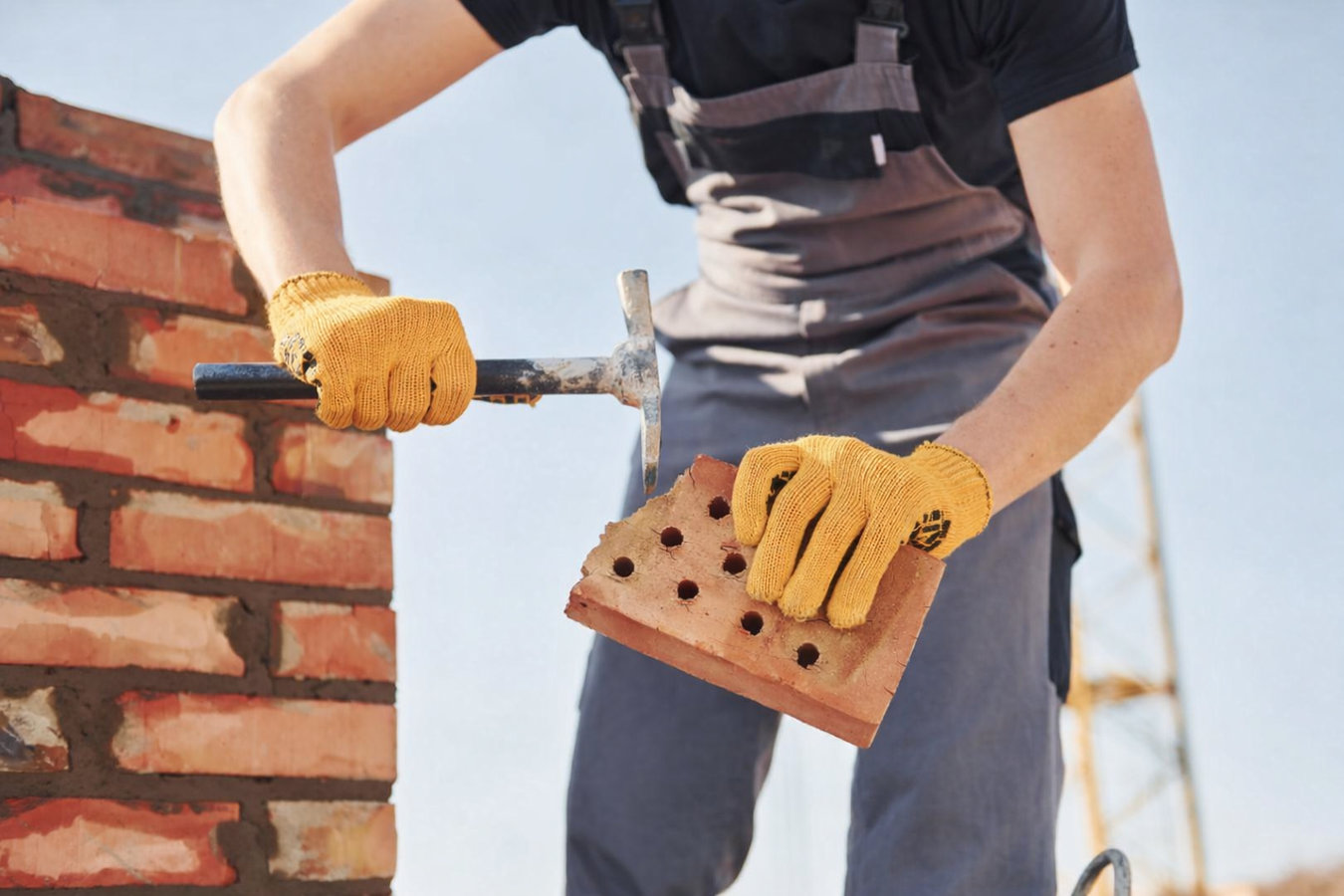
Crumbling mortar, a cracked crown, or white staining on your brick are early warnings. Left alone through a rainy season, small chimney problems become expensive interior damage. We repair it right the first time.
Chimney repair in Santa Barbara, CA covers everything from patching mortar joints and sealing cracked crowns to rebuilding sections above the roofline - and most jobs are completed in one to two days on-site.
Your chimney is exposed to coastal fog, winter rain, and occasional seismic activity every single year. The mortar between bricks softens over time, the concrete crown at the top develops cracks, and once water finds a way in, the damage works its way down through the structure - sometimes all the way to the firebox. Santa Barbara homes built in the mid-20th century are especially prone to this because the original mortar has simply reached the end of its natural life. If the mortar looks thin, recessed, or missing in spots, that is the time to act - before the next rainy season does the rest of the work for you. We also offer tuckpointing services for larger masonry surfaces where mortar deterioration extends beyond the chimney itself.
Even if you rarely use your fireplace, your chimney still matters. Water that enters through a cracked crown or failed flashing can damage surrounding masonry, work into the attic, and stain interior walls - damage that compounds quietly over months. The earlier you catch it, the simpler and less expensive the fix.
A chalky white residue streaking down the brick is called efflorescence - it means moisture has been moving through the masonry and leaving mineral deposits behind as it evaporates. In Santa Barbara, where coastal fog and winter rains regularly wet exterior surfaces, this staining is an early warning that water is entering the chimney structure. It does not mean the chimney is about to fall, but it does mean the mortar or crown should be looked at before the next rainy season.
Stand back and look at your chimney from the yard. If you can see gaps where the mortar between bricks has cracked, shrunk back, or fallen out, repointing is needed. Santa Barbara homes built in the mid-20th century often have original mortar that has simply reached the end of its natural life - this is one of the most common repairs we see across the city's established neighborhoods.
If you notice a damp smell coming from your fireplace, or you see water stains on the wall or ceiling near the chimney after a rainstorm, water is getting in somewhere it should not be. This could be a cracked crown, a damaged flashing where the chimney meets the roof, or deteriorated mortar - and all of these are fixable before they cause serious interior damage.
The flat concrete area at the very top of your chimney is easy to see from the ground with a pair of binoculars. If you can spot cracks running across it, or if pieces appear to have broken off, water is almost certainly getting into the chimney structure below. Given that Santa Barbara's wet season can bring several inches of rain in a short period, a damaged crown left unrepaired through winter will almost always result in more extensive damage by spring.
Chimney repair is not a single job - it covers a range of work depending on where the damage is and how far it has progressed. The most common service we perform is mortar repointing, which involves carefully removing deteriorated mortar from the joints between bricks and replacing it with fresh, correctly-matched mortar. Done properly, repointing restores both the structural integrity of the chimney and its appearance - good work is invisible when the mortar color and texture match what is already there. For homes in Santa Barbara historic districts, we use mortar formulations appropriate for older masonry so the repair does not cause additional damage to surrounding brick. We can also pair chimney work with a full fireplace installation or upgrade if your existing firebox and chimney need a complete refresh.
Beyond mortar work, we repair and reseal chimney crowns, replace damaged or missing caps, repair or replace flashing at the chimney-roofline junction, and handle structural rebuilds of chimney sections above the roofline when deterioration has gone too far for simple patching. We assess the full chimney - from the firebox to the cap - before recommending a scope of work, so you are not paying for repairs that are not needed, and you are not leaving problems unaddressed that will cost more later.
Best for chimneys where joints have cracked or recessed over time - mortar is removed and replaced with fresh material matched to the existing brick and original mortar type.
Ideal for chimneys where the concrete crown has cracked - we seal or rebuild the crown to stop water from entering the chimney structure below.
For chimneys where the metal seal at the roofline has failed - correct flashing is the first line of defense against water working into the attic and surrounding walls.
For chimneys where sections above the roofline have deteriorated beyond repair - the damaged portion is carefully removed and rebuilt to current structural standards, with permits where required.
Santa Barbara sits on the coast, and the consistent moisture from marine air and winter rains creates a slow but steady challenge for chimney masonry. Unlike colder climates where freeze-thaw cycles do the damage, here it is the repeated wet-dry cycling and the salt content in coastal air that gradually opens up cracks in mortar and crowns. The best time to repair a chimney in Santa Barbara is fall - before November, when new mortar and sealants have time to cure properly before the rains begin. Homeowners in Carpinteria face the same coastal moisture conditions and typically benefit from the same fall scheduling approach.
Santa Barbara also has a large number of homes built between the 1920s and 1960s, especially in neighborhoods like the Riviera, San Roque, and the Upper East. Chimneys on these homes were often built with softer, lime-based mortars that have a natural lifespan - if the chimney has never been repointed, there is a reasonable chance it needs attention now, not because something went wrong, but because that is simply how long original mortar lasts. Using the wrong mortar type during a repair can cause more damage to the surrounding brick over time, which is why experience with older Santa Barbara construction matters. Homeowners in Santa Maria and further inland areas also see chimney mortar deterioration, though driven more by temperature variation than coastal moisture.
Tell us what you have noticed - white staining, missing mortar, a damp smell, or nothing specific but you have not had an inspection in years. We will ask a few quick questions and schedule your on-site visit within 1 business day.
We look at the chimney from ground level, from the roof, and inside the firebox. We check mortar joints, the crown, the cap, flashing, and the flue. You get a written estimate in plain language explaining what we found - no pressure to decide on the spot.
For structural work like rebuilding above the roofline or replacing a liner, we pull the city permit on your behalf. For smaller repairs like crown sealing or mortar patching, a permit is typically not needed. We handle this determination and process for you.
Most jobs are done in one to two days. We clean up the work area, walk you through what was repaired, and explain the curing window - new mortar and sealants need 24 to 48 hours before rain exposure, which is one reason fall scheduling matters here.
Free on-site estimate. We serve Santa Barbara and surrounding areas. No obligation, no pressure.
(805) 869-0735A large share of our chimney work is on homes built between the 1920s and 1960s, where the original lime-based mortar has reached the end of its natural life. We know how to match mortar type and texture to existing masonry so the repair does not damage the surrounding brick - a common mistake when contractors use modern hard mortar on older construction.
Quality chimney repair matches the existing mortar color and texture so no one can tell where the work was done. In neighborhoods with design guidelines - or where curb appeal simply matters - a patchy repair stands out in the wrong way. We take the time to match materials before we start.
We prioritize chimney repair jobs in the September-October window so new mortar and sealants have time to cure before Santa Barbara's wet season starts. Getting work done before the rains arrive - rather than mid-winter when curing conditions are poor - is a detail that affects how long the repair lasts. The Chimney Safety Institute of America recommends annual inspections for exactly this reason.
Before we leave, we walk through every repair - showing you what we found, what we fixed, and what to watch for. You will not be left wondering what you paid for or whether anything was missed. If there are things we spotted that do not need immediate attention, we will tell you that too.
Chimney repair in Santa Barbara requires attention to the local climate, older construction materials, and city permit requirements when structural work is involved. That combination of factors is what we work with every day, and it shapes how we approach every job.
For permit requirements on structural chimney work, see the City of Santa Barbara Building and Safety Division. For chimney inspection standards, the National Chimney Sweep Guild publishes industry guidelines for homeowners.
Precision mortar removal and replacement for brick and block surfaces across your home - a natural companion to chimney repointing work.
Learn MoreNew masonry fireplace construction or full rebuilds for Santa Barbara homes upgrading or replacing an existing firebox and chimney system.
Learn MoreCall now or request a free estimate online - we schedule fall repairs quickly and respond within 1 business day.